Why the Quote Should List More Than the Tank
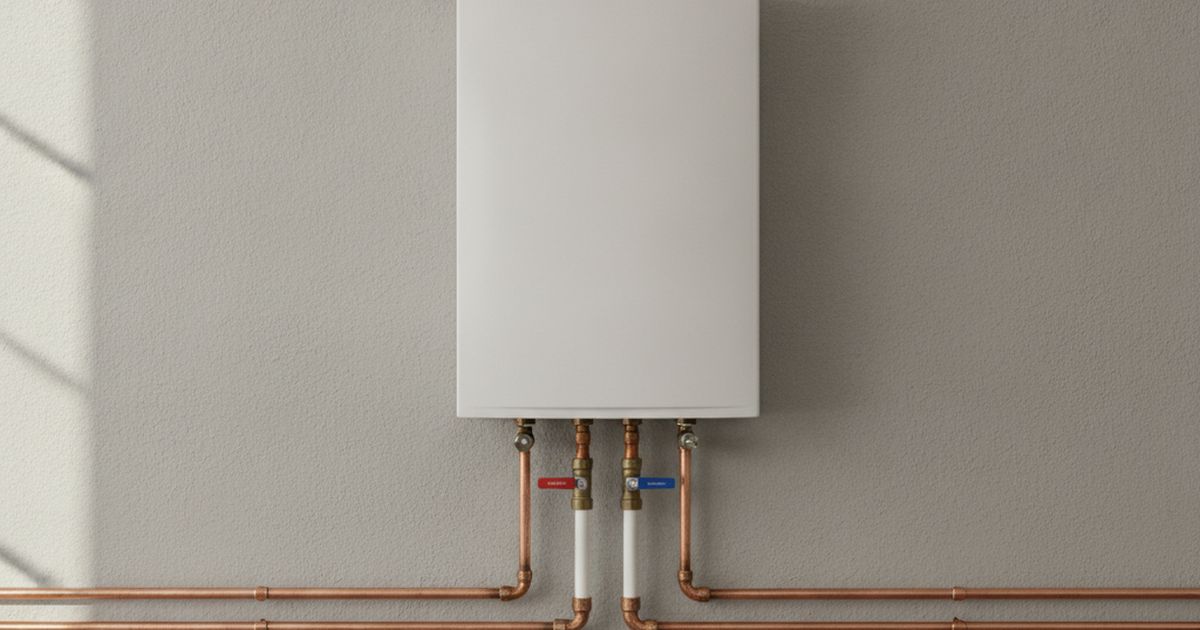
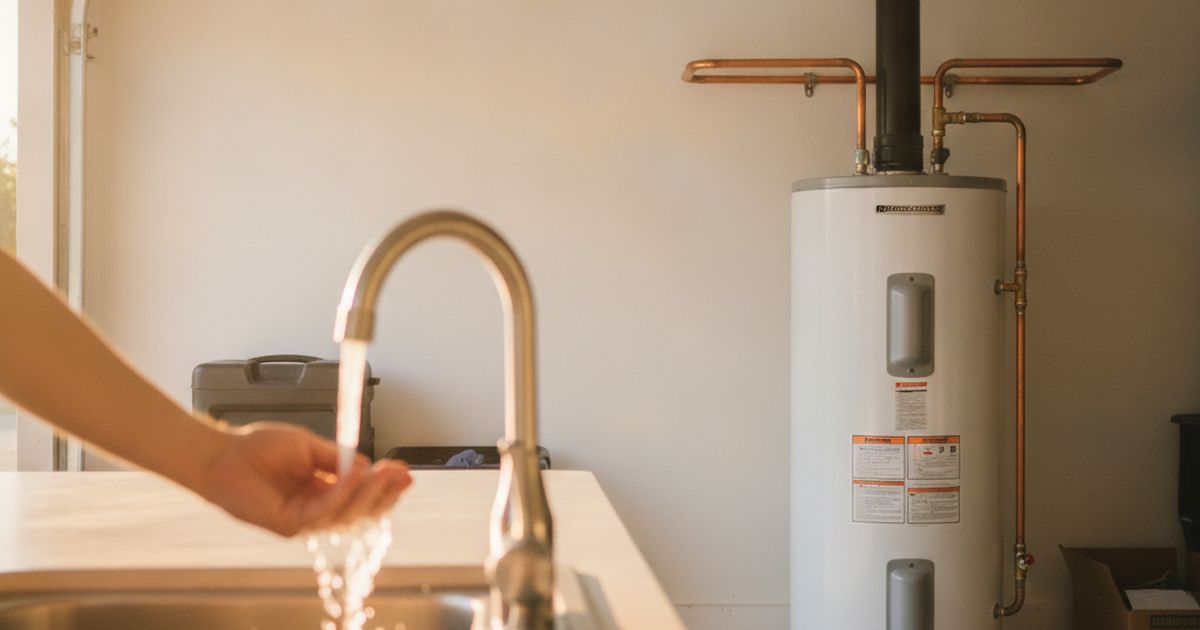
Two quotes for the same 50-gallon water heater can look very different, and the gap is usually what each one includes.
A price that covers only "remove old, install new" can leave out the parts that make the installation safe and legal, and those are the parts an inspector, a home buyer or your insurance company will look at later.
When you compare estimates, check that each one names:
- 1The unit itself: fuel type (gas or electric), tank size and model.
- 2Removal and disposal of the old water heater.
- 3Earthquake strapping to current code.
- 4The temperature and pressure relief valve and its discharge line.
- 5An expansion tank, if your home's plumbing needs one.
- 6Venting work for gas units, if the existing vent doesn't match the new heater.
- 7Any gas line, water line or electrical changes needed to reach the new unit.
- 8Who handles the permit, if one is required for the job.
At C&C Plumbing every estimate is free and upfront, so you see what is included before any work starts.
Sizing: Matching the Heater to Your Household
Most Fairfield homes run a 40-gallon or 50-gallon tank. Bigger households, homes with a large soaking tub, or families that run the dishwasher and laundry while people shower may need more capacity.
A plumber should ask how many people live in the home and when you use the most hot water, not just read the size off the old tank.
Fuel type matters too. If the home is set up for gas, a gas tank usually goes back in the same spot with the same vent.
Switching from gas to electric, or moving to a tankless unit, changes the electrical, gas and venting work, so it should be priced as a different job.
If you are weighing that switch, our guide on water heater replacement cost in Fairfield compares tank and tankless options.
Earthquake Straps: Required in California
California law requires every new and replacement water heater, and every existing residential water heater, to be braced, anchored or strapped so it can't fall over or slide during an earthquake. The minimum standard is the California Plumbing Code.
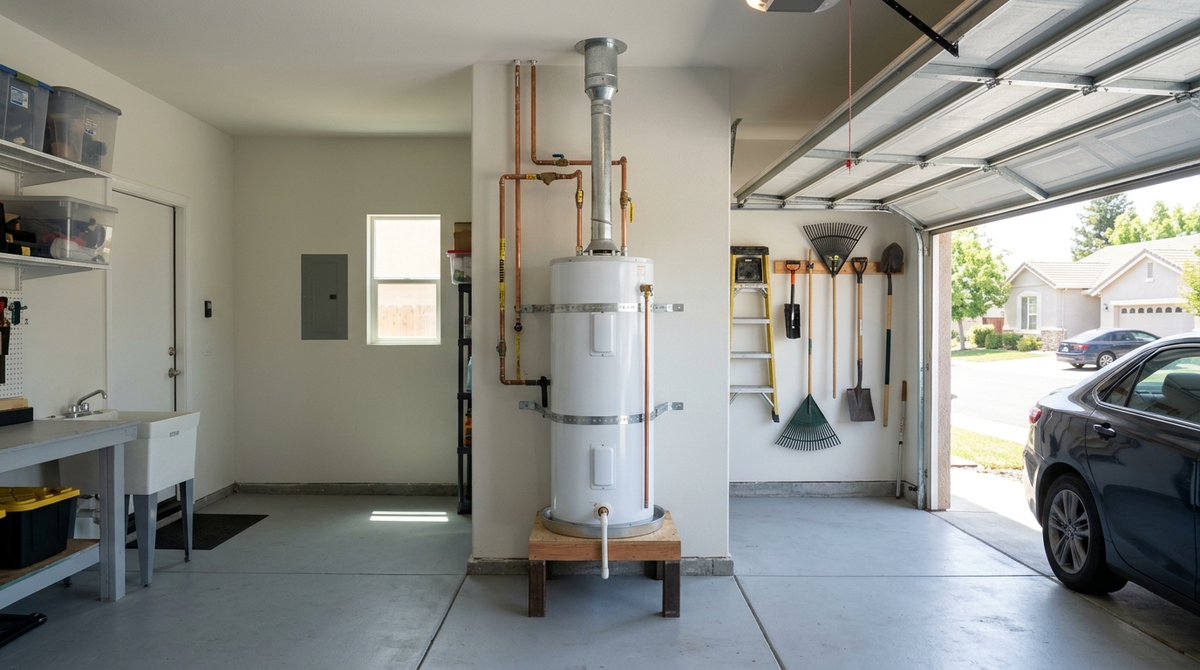
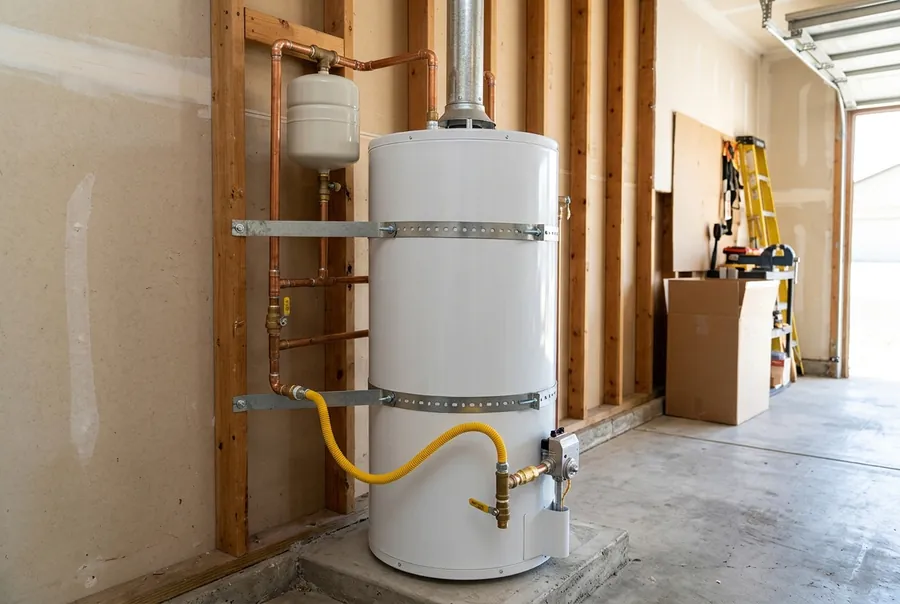
In practice that means two straps on a standard tank: one in the upper third of the tank and one in the lower third, with the lower strap kept at least four inches above the gas controls.
This matters in Solano County, which sits near active faults. A full tank weighs several hundred pounds.
If it tips, it can snap the gas line and the water connections at the same time, which turns a shaking event into a gas leak and a flood.
Strapping also comes up when you sell. California requires the seller of a home with a water heater to certify in writing to the buyer that the heater is strapped to code.
A new installation done properly takes care of that.
Venting, Gas and Electrical Connections
For a gas water heater, the vent carries combustion gases out of the house. The vent pipe has to be the right size for the new unit, slope correctly and be sealed at every joint.
A new heater that is taller or more efficient than the old one can need vent changes, and a poor vent can let combustion gases back into the garage or the house.
If you ever smell gas near the water heater, leave the house and call your gas provider first; our post on gas leak warning signs covers what to do.
The gas connection gets a shutoff valve within reach of the heater and a sediment trap, and the plumber checks every fitting for leaks before lighting the burner.
Electric units need a circuit sized for the new heater; a plumber will flag it if the existing wiring isn't suitable.
Relief Valve and Expansion Tank
Every tank water heater has a temperature and pressure relief valve. If the water inside gets too hot or the pressure climbs too high, the valve opens and releases water so the tank can't fail.
That is only safe when the discharge line runs to an approved spot where hot water can drain without hurting anyone.
Installers check that the valve is new, the line is the right material and size, and nothing blocks its outlet.
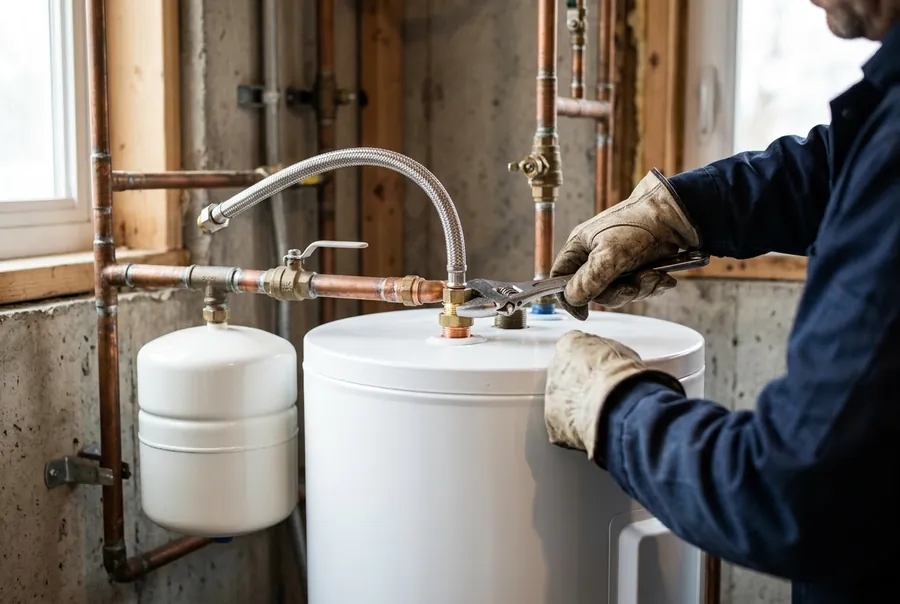
An expansion tank is a small tank that sits on the cold water line above the heater. When water heats, it expands.
In homes where the water supply has a pressure regulator or a check valve, that extra volume has nowhere to go, so it pushes pressure up through the whole house every time the heater fires. The expansion tank absorbs it.
Your plumber should test your home's water pressure during installation and add an expansion tank where the system needs one.
Installation Day, Step by Step
A like-for-like replacement typically takes two to four hours. Here is how the visit usually goes:
- 1Shut off the gas or power and the cold water supply to the old heater.
- 2Drain the old tank through a hose to a safe drain point.
- 3Disconnect the water, gas or electrical lines and the vent, then move the old tank out.
- 4Set the new heater level, on a stand or platform if your garage installation needs one.
- 5Connect the water lines, gas or electrical supply and the vent, and install the new relief valve and discharge line.
- 6Add or update the earthquake straps and the expansion tank where needed.
- 7Fill the tank completely with a hot tap open so air escapes before any heat is turned on.
- 8Light the burner or restore power, check every connection for leaks, and confirm the water reaches the set temperature.
- 9Haul away the old water heater for proper disposal.
Jobs take longer when the heater moves to a new spot, the vent or gas line needs rerouting, or the switch is to a different fuel type.
Same-day installation is available when scheduling and equipment allow, which matters when the old tank failed and the house has no hot water.
Getting the Most Life From the New Heater in Fairfield
Fairfield and much of Solano County have relatively hard water. Minerals settle at the bottom of the tank as sediment, which makes the burner or elements work harder and shortens the heater's life. Two habits help:
- 1Flush the tank once a year to clear sediment.
- 2Have the anode rod checked periodically. It is the part inside the tank that corrodes so the steel tank doesn't.
If the new heater ever stops keeping up, our guide on why a water heater stops heating walks through the common causes before you call.
Water Heater Installation in Fairfield
C&C Plumbing installs and replaces gas and electric tank water heaters across Fairfield, Suisun City, Vacaville, Vallejo and the rest of Solano County.
We size the unit to your household, install it with code-compliant gas, water and venting connections, relief valve, expansion tank where needed and seismic strapping, test it, and take the old tank away.
Every job starts with a free, upfront estimate, and financing is available for qualifying projects. See water heater installation in Fairfield or our water heater replacement and installation service for details, or call us at (707) 434-1355.
C&C Plumbing is licensed and insured under California contractor license 982867 and has served Solano County since 2013. The strapping requirement and the seller certification come from California Health and Safety Code section 19211.