
What a Slab Leak Actually Is
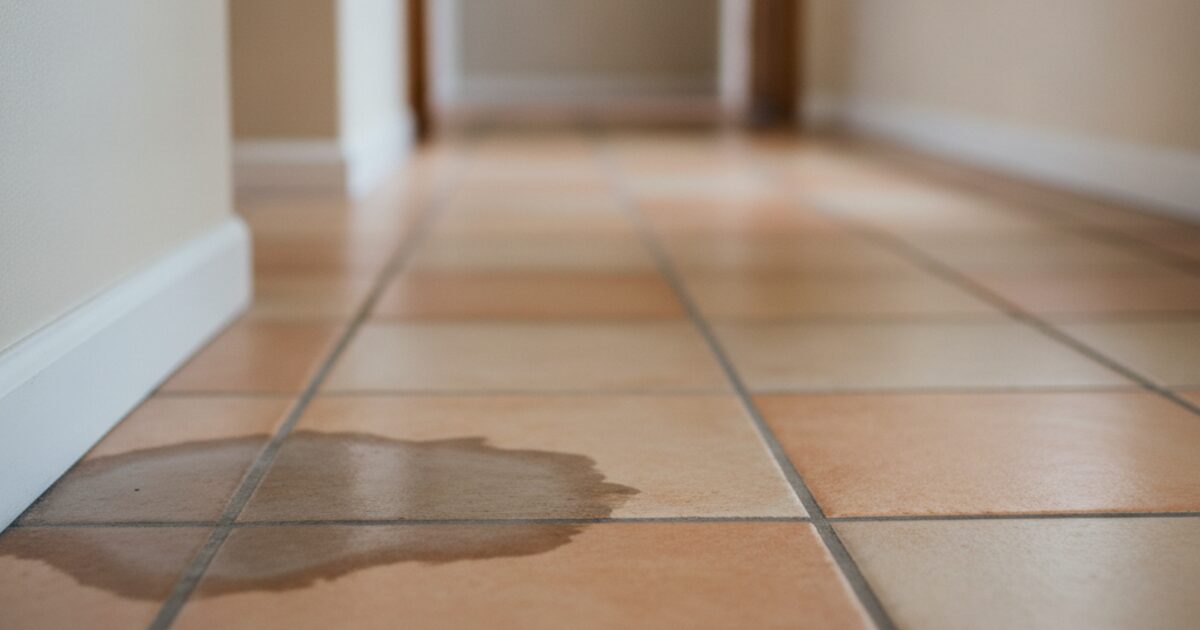
Most homes built on a concrete foundation have pressurized water lines running through or beneath that slab.
When one of those lines develops a pinhole, a split seam, or a corroded section, the water has nowhere to go but into the soil and concrete around it.
That is a slab leak, and it behaves differently from the leaks homeowners are used to. There is no dripping trap under a sink and no wet patch on a ceiling.
The water escapes below the finished floor, often for weeks, while the meter keeps running and the soil underneath the house slowly changes shape.
The reason this matters so much in Fairfield is the ground itself. Solano County sits on clay-heavy soils that swell when they take on moisture and shrink back during our long dry season.
A foundation is engineered for the soil to move in predictable, seasonal ways. A leaking water line introduces moisture in one concentrated spot, year-round, and the soil there stops behaving like the soil ten feet away.
That differential movement is what turns a plumbing problem into a foundation problem, and it is why local plumbers treat slab leaks as urgent rather than routine.
The Seven Signs Homeowners Notice First
Slab leaks are subtle by nature, but they are not silent. In almost every case a homeowner noticed something for a while before calling. These are the signs worth acting on:
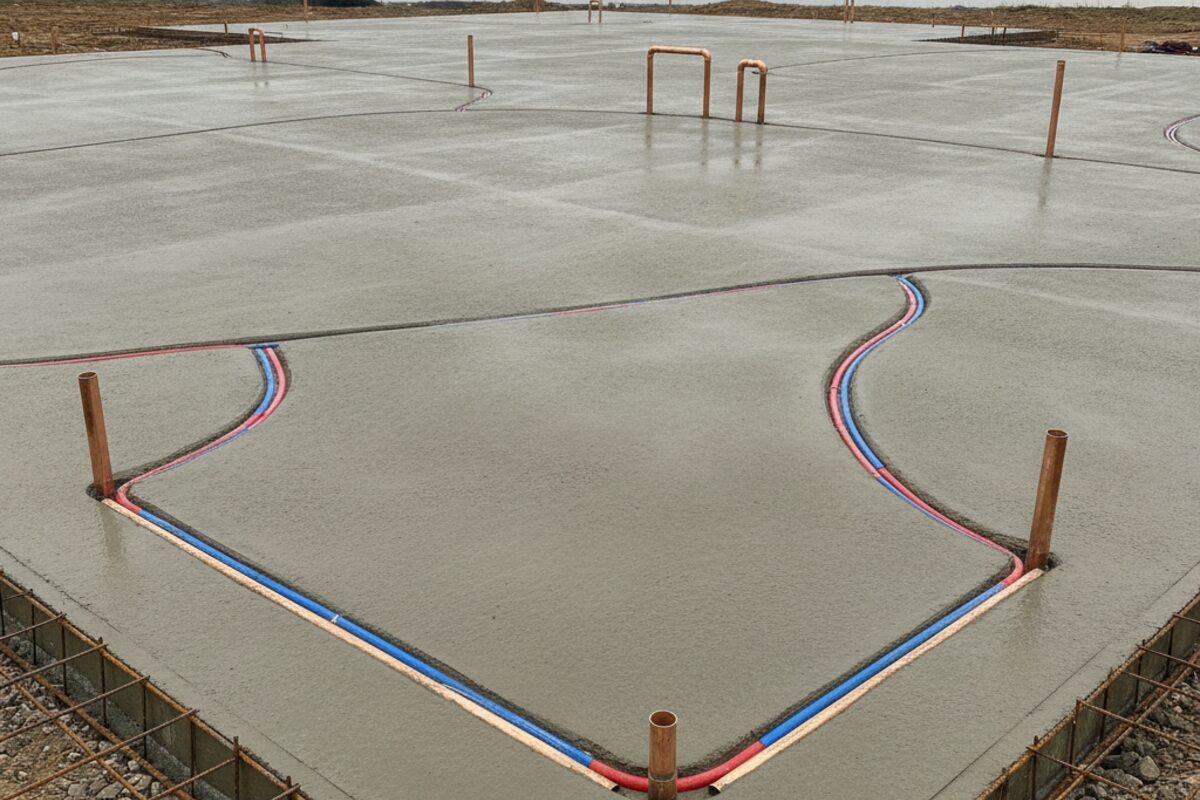
- 1A warm or hot spot on the floor. This is the single most reliable indicator. When the leak is on the hot water line, the escaping water heats the concrete above it. You feel it barefoot, or a pet starts sleeping in one specific spot on the tile for no obvious reason.
- 2Running water when nothing is on. Shut off every faucet, appliance, and ice maker, then stand still in a quiet room. A faint hiss or a continuous trickle under the floor means water is moving through a line that should be static.
- 3A water bill that jumped without a change in habits. A pinhole leak can waste hundreds of gallons a day. If your usage climbed and nobody filled a pool or added a houseguest, the water went somewhere.
- 4Damp, discolored, or buckling flooring. Carpet that feels cool and damp in one area, hardwood that cups or lifts at the seams, or vinyl that loosens from the slab all point to moisture coming up rather than down.
- 5A persistent musty or moldy smell. Water trapped between the slab and the flooring feeds mold and mildew that you smell long before you see. The odor is often strongest near a closet, along a baseboard, or in a room that is otherwise unremarkable.
- 6Low or dropping water pressure. When a meaningful volume of water is escaping before it reaches your fixtures, pressure at the tap falls off, and it does not come back.
- 7New cracks in walls, floors, or the foundation. Hairline cracks over doorways, tile that cracks along a line, or doors that suddenly stick are signs the soil under the slab has shifted. By this stage the leak has usually been running for some time.
One sign on its own may have another explanation. A water heater in a garage can warm nearby concrete, and a single sticking door may just be seasonal.
Two or three signs appearing together, in the same part of the house, is the pattern that warrants a professional inspection.
How to Confirm It Before You Call
There is a simple test that costs nothing and gives a plumber genuinely useful information. Turn off every water-using fixture and appliance in the house, including the ice maker and any irrigation controller.
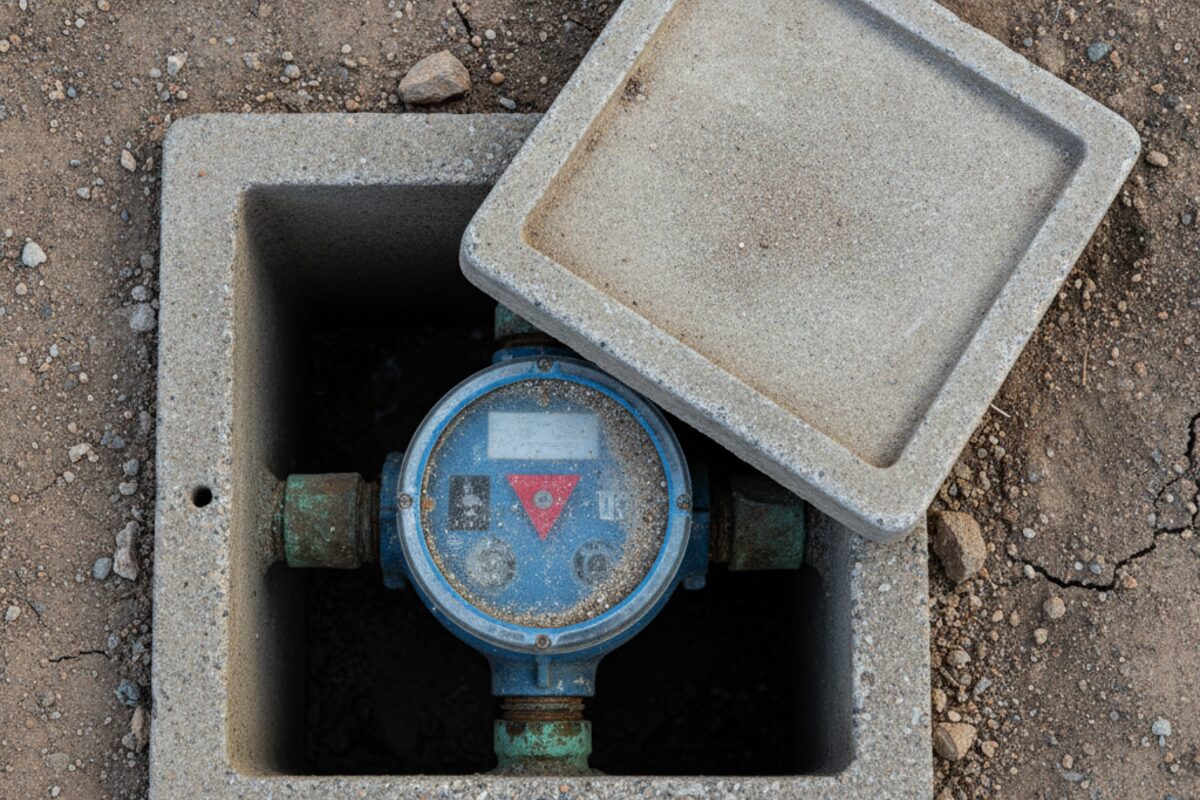
Go to your water meter and look at the low-flow indicator, the small triangular or gear-shaped dial that spins on even the slightest movement. Note its position, wait two hours without using water, and check it again.
If it has moved, water is escaping somewhere in your system.
That test tells you there is a leak, not where it is. To narrow it down, close the main shutoff valve to the house and repeat the reading.
If the meter stops, the leak is inside the home's plumbing, which includes the lines under the slab.
If it keeps moving with the house valve closed, the leak is on the supply line between the meter and the house, which is a different repair covered by main water line repair and replacement.
Either way, write down what you observed. Knowing the leak is active and roughly where it sits in the system shortens the diagnostic visit considerably.
Why Waiting Costs More Than the Repair
The instinct to monitor a small problem for a while is reasonable with most plumbing. It is the wrong instinct here, for three reasons.
The first is that the leak grows. Water escaping under pressure erodes the pipe wall around the opening and scours the soil around the line. A pinhole does not stay a pinhole. The second is compounding damage.
Flooring, subfloor, baseboards, drywall, and cabinetry absorb moisture in sequence, and mold establishes itself in materials that are expensive to replace. The third is the foundation.
Once saturated soil has caused the slab to move, you are no longer dealing with a plumbing bill. You are dealing with a plumbing bill plus foundation work plus interior restoration.
Insurance follows a similar pattern. Many California homeowner policies will cover the resulting water damage and the cost of accessing the leak, including breaking and repairing the concrete, but exclude the plumbing repair itself.
Coverage also tends to depend on the damage being sudden rather than the result of a leak that was left running. Documenting when you first noticed symptoms and when you called a licensed plumber protects your position with the carrier.
Check your specific policy language rather than assuming, since terms vary significantly between providers.
What a Professional Diagnosis Looks Like
Accurate detection is the part that protects your floors. A plumber who starts breaking concrete to find the leak is guessing at your expense. The right process is non-invasive first.
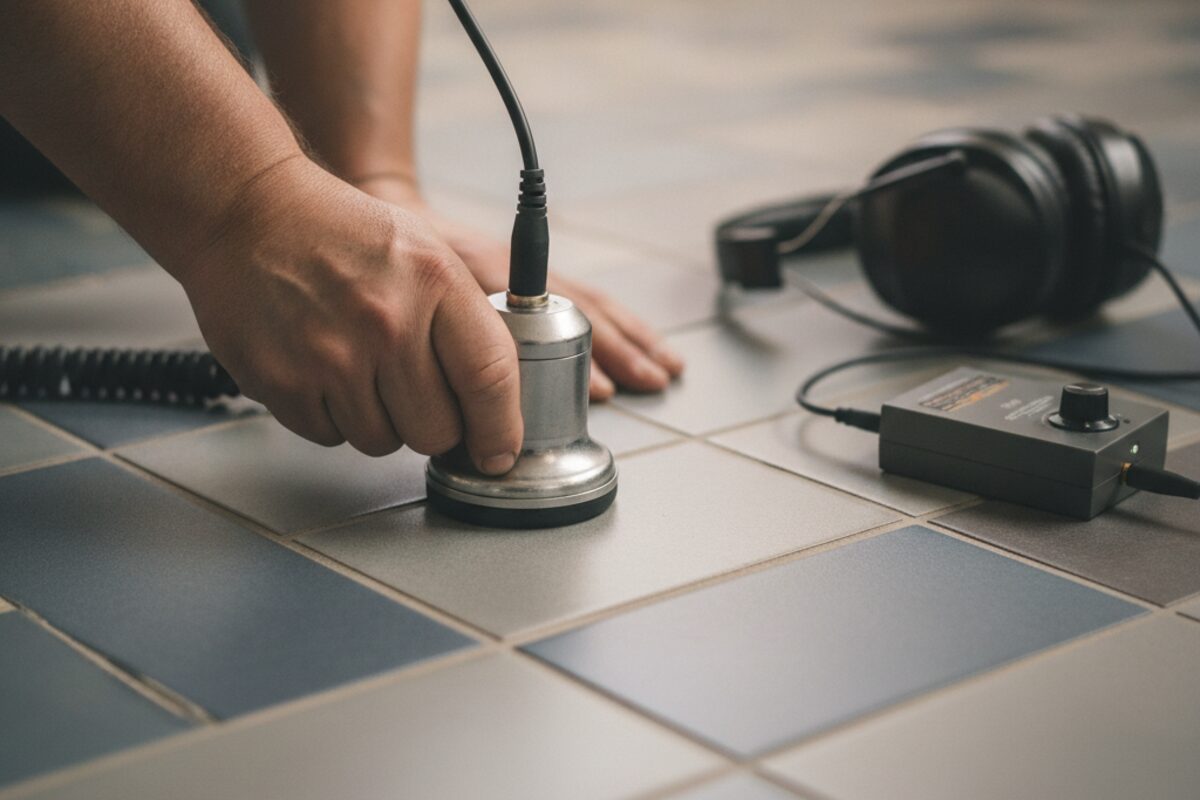
C&C Plumbing technicians arrive with electronic leak detection equipment, including acoustic listening devices that pick up the high-frequency sound of water escaping under pressure through concrete, and thermal imaging cameras that read the temperature signature a hot water leak leaves
on the slab.
Pressure testing isolates the hot and cold lines to confirm which side of the system has failed.
Together these tools pinpoint the leak location before any floor is opened, which is the difference between one small access point and several exploratory ones.
Once the leak is located, there are generally two paths. A spot repair opens a limited section of the slab, replaces the failed length of pipe, and restores the concrete.
It makes sense when the leak is isolated and the rest of the piping is in sound condition. A reroute abandons the failing under-slab line and runs new pipe through walls or the attic instead.
It costs more in materials and takes longer, but it is the better decision when the original piping is old enough that a second leak is a matter of time rather than chance.
A plumber should explain which condition your home is in and why, and put both options in writing before starting.
Timeline, Cost, and What to Ask
Detection itself typically takes one to two hours. An accessible spot repair can often be completed the same day.
A full reroute is usually a two-to-three-day project because the new lines have to be installed, tied into the existing system, pressure tested, and the disturbed surfaces closed up.
Cost depends on access, the repair method, the depth and length of the affected line, and what has to be restored afterward.
Nobody can quote a slab leak accurately over the phone, and a firm number offered before an inspection is a warning sign rather than a convenience.
When you compare estimates, make sure each one covers the same scope: detection, the repair method proposed, concrete removal and restoration where applicable, pressure testing, permits if required, and cleanup.
A lower number that leaves out restoration is not a lower total.
C&C Plumbing provides free on-site estimates after the assessment, upfront pricing with no hidden fees, and financing for larger repairs that arrive without warning.
See our slab leak repair service and slab leak repair in Fairfield for details on how we handle these jobs locally.
When to Call Immediately
Call without waiting if you find standing water on the floor, if flooring is actively lifting, if a warm spot is spreading, or if you can hear water running continuously with the house shut down.
If water is pooling and you cannot identify the source, close the main shutoff valve to the house to stop the flow, then call.
Knowing where that valve is, and confirming it actually turns, is worth five minutes on a calm afternoon rather than during an emergency.
A slab leak is one of the few plumbing problems where the cost curve is genuinely steep over time. The leak itself is a repair. The foundation movement it causes is not.
C&C Plumbing is licensed and insured under California contractor license 982867 and answers emergency calls 24 hours a day across Fairfield, Vacaville, Vallejo, Benicia, Suisun City, and the rest of Solano County.
If two or more of the signs above describe your home, have it looked at now rather than after the dry season ends.