Find Where the Water Is Coming From First
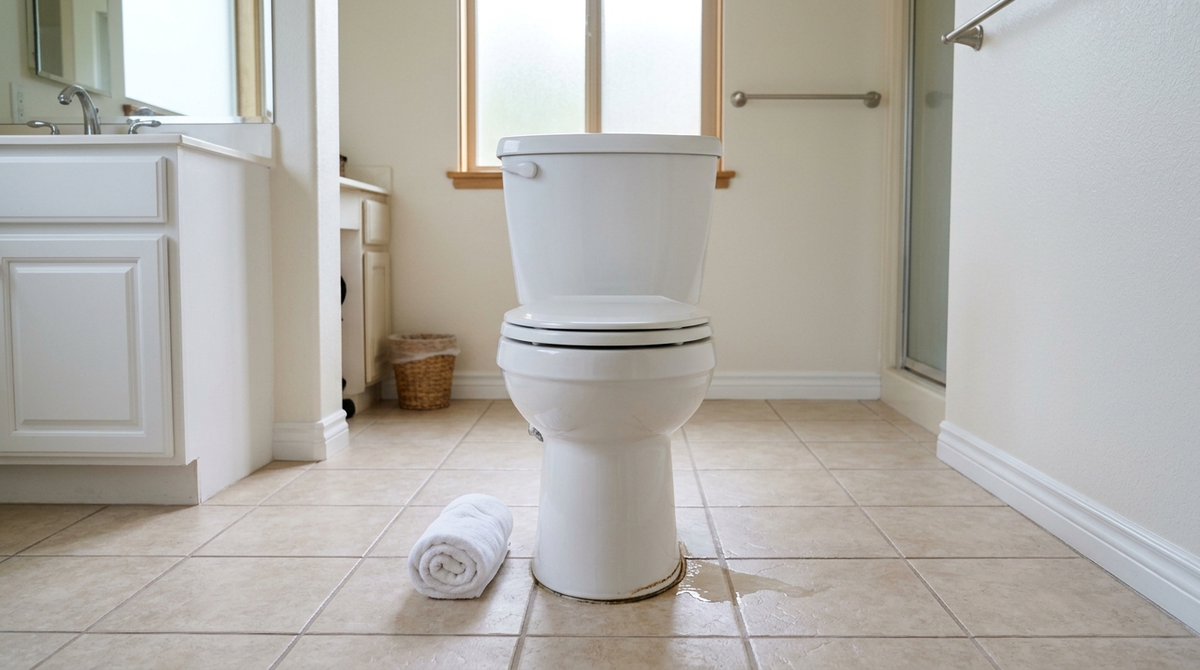
Before you blame the wax ring, rule out the easier causes. Dry the floor and the outside of the toilet completely with a towel, then watch it for a few minutes and again after a flush.
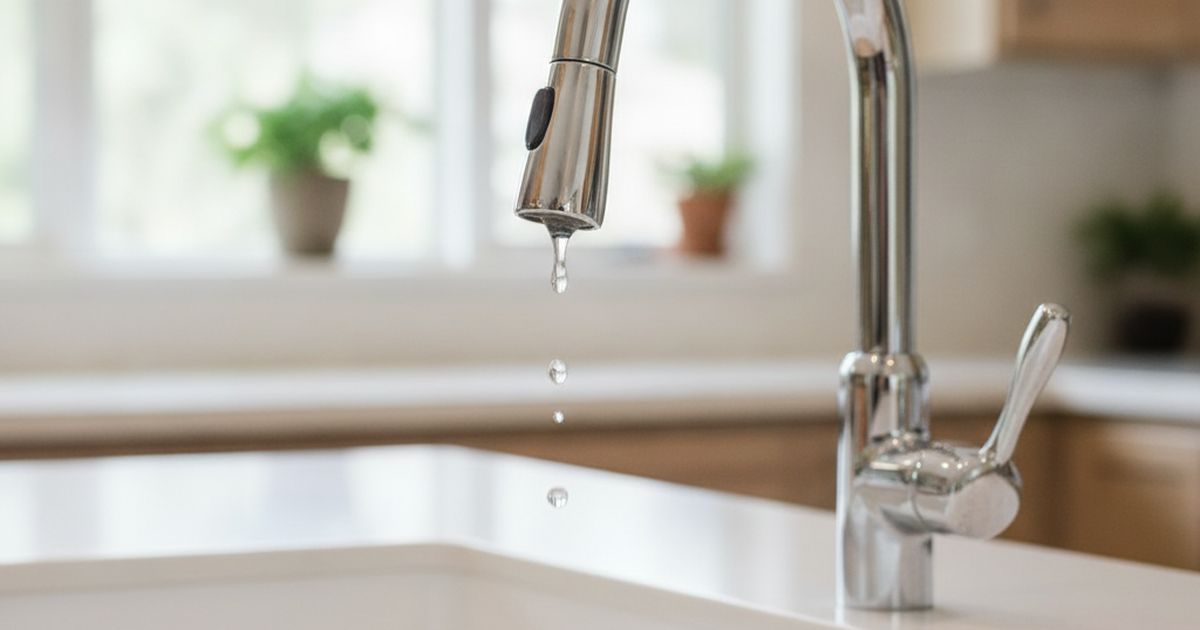
- 1Water beads on the tank and drips down. That is condensation, common on cool mornings and when cold water refills the tank on a warm day. It is annoying, not a leak.
- 2Water runs from the shutoff valve or the hose under the tank. That is the supply line or the valve, a quick part swap.
- 3Water appears at the tank bolts or the joint between tank and bowl. That is the tank to bowl gasket or a worn bolt washer.
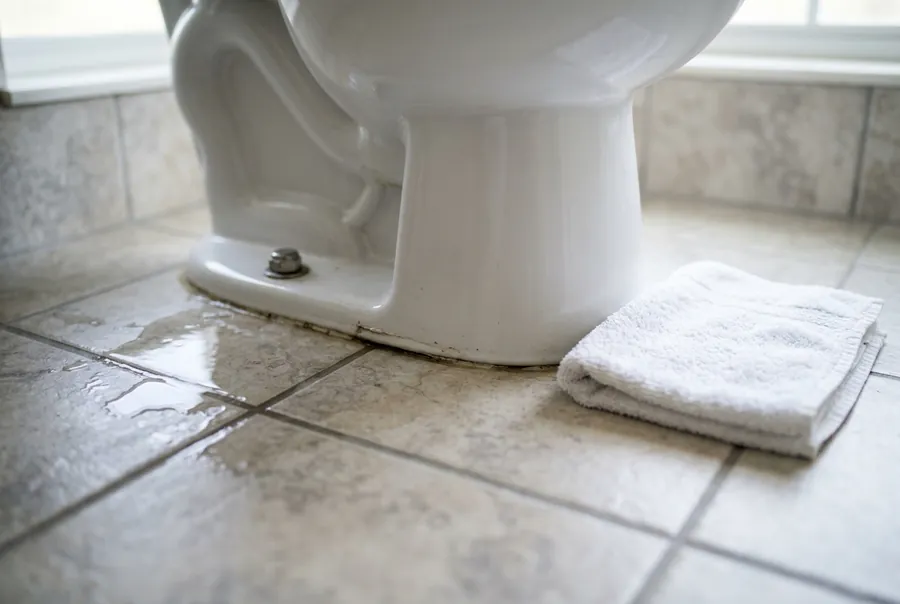
- 4Water seeps out from under the toilet after a flush, and the floor stays dry until you flush. That points to the wax ring or the flange underneath it.
- 5Water keeps appearing with nobody using the toilet, and the tank slowly empties. Look closely for a hairline crack in the bowl or tank.
A dry square of toilet paper laid around the base and along the supply line makes it easier to see the first drop land.
Why Wax Rings Fail
The wax ring sits on the drain flange and seals the toilet's outlet to the drain pipe. It has no moving parts, but it can stop sealing for a few reasons:
- 1The toilet rocks. Loose closet bolts, an uneven floor or a toilet that was never shimmed lets the bowl move every time someone sits down, and each movement breaks the seal a little more.
- 2The flange is low, cracked or rusted. After new tile or vinyl goes down, the flange can end up below the finished floor, and a standard ring cannot reach it. Older metal flanges also corrode and break around the bolt slots.
- 3The ring has simply aged. Wax rings compress and dry out over many years.
- 4The toilet was lifted and reset on the old ring. A wax ring is a one-time seal. Reusing it almost always leaks.
A toilet that wobbles is worth fixing even before it leaks, because it is the most common reason a good ring fails early.
Why a Leak at the Base Should Not Wait
A leak at the base does more damage than it looks. The water you mop up is only what reached the surface; the rest runs under the toilet, into the grout and down into the subfloor.
Over weeks, that softens the plywood around the flange, loosens the floor and can rot the joists below.
Mold is the other risk. The U.S. Environmental Protection Agency advises drying water-damaged areas and items within 24 to 48 hours to prevent mold growth, and a slow seep under a toilet keeps the same spot wet day after day.
If water from the drain side is involved, it is also not clean water.
Signs the floor has already taken on water include a soft or spongy feel next to the toilet, tile that has cracked or lifted around the base, a stain on the ceiling below an upstairs bathroom, and a musty smell
that doesn't clear.
What You Can Safely Do Before the Plumber Arrives
- 1Stop using that toilet if the leak shows up after flushing. Every flush pushes more water under the floor.
- 2Turn off the water at the shutoff valve behind the toilet, turning it clockwise, if the leak is from the supply side.
- 3Dry the area and keep a towel down so you can see whether it is still leaking.
- 4Check the closet bolts. If the caps pop off easily, you can snug the nuts a little by hand. Don't force them, because too much torque cracks the porcelain.
- 5Skip the caulk fix. Caulking around the base doesn't stop a failed seal. It hides the water, which then spreads under the floor where you can't see it.
If you have only one bathroom, tell us when you call. Same-day service is available for toilet repairs, and our plumbers arrive ready to diagnose and fix the problem on the spot.
How a Plumber Fixes a Toilet Leaking at the Base
For a wax ring or flange problem, the toilet has to come up. The job usually goes like this:
- 1Shut off the water, flush and empty the tank and bowl.
- 2Disconnect the supply line, remove the bolts and lift the toilet off the flange.
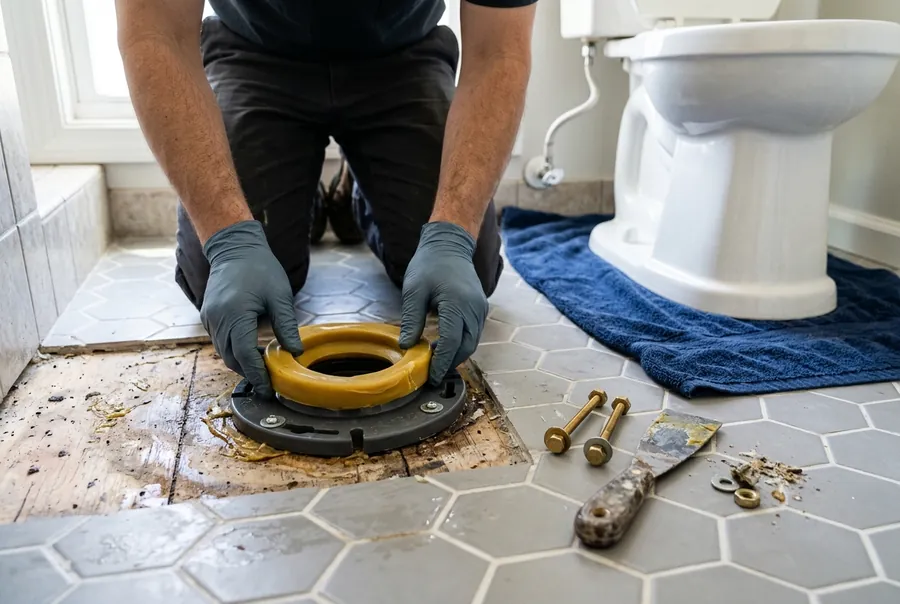
- 3Scrape off the old wax and inspect the flange and the subfloor around it for cracks, corrosion or soft spots.
- 4Repair or raise the flange if it is broken or sits below the finished floor, using a repair ring or spacer as needed.
- 5Set a new wax ring and new closet bolts, reseat the toilet, shim it so it can't rock, and tighten evenly.
- 6Reconnect the supply line, refill and test with several flushes, checking the base and the connections for leaks.
Replacing a wax ring and resetting the toilet is a shorter job than a full replacement when the flange and floor are sound.
If the bowl or tank is cracked, the porcelain can't be repaired safely and the toilet needs replacing, which generally takes one to two hours.
Damaged subfloor is a bigger repair, which is why it pays to catch a base leak early.
Repair or Replace the Toilet?
Most base leaks are a repair: a new wax ring, new bolts and a level, solid seat. Replacing the whole toilet makes sense when:
- 1The bowl or tank is cracked, even with a fine hairline crack.
- 2The toilet also runs, clogs or needs several flushes and is due for new internal parts anyway.
- 3It is an older, high-volume model, and a modern low-flow toilet would cut your water use.
If the toilet also keeps running between flushes, our guide on why a toilet keeps running covers the tank side of the problem.
Toilet Repair in Vacaville
C&C Plumbing repairs and replaces toilets across Vacaville, Fairfield, Dixon and the rest of Solano County, including base leaks, broken flanges and toilets that won't stop rocking.
We inspect the flange and the floor around it, set a new seal properly and test before we leave, with a free, upfront estimate before any work starts. Same-day service and 24/7 emergency response are available.
See toilet repair in Vacaville or our toilet repair and installation services for details, or call us at (707) 434-1355.
C&C Plumbing is licensed and insured under California contractor license 982867 and has served Solano County since 2013. The mold guidance comes from the EPA's guide to mold, moisture and your home.